
North Mountain Soft Roll-Up Won’t Stay Closed? Here’s the Fix
A soft roll-up tonneau cover that won’t stay closed defeats the entire purpose of having bed protection in the first place. Rain gets in, cargo shifts, and the cover itself can flap loose at highway speeds.
We’ve seen this issue across hundreds of customer service tickets, and the good news is that most closure failures trace back to just three root causes: worn tension control, misaligned striker hardware, or stretched fabric that’s lost its original tautness. In nearly every case, you can restore a secure latch without replacing the entire cover. Here’s how we diagnose and fix the problem on our own North Mountain soft roll-ups.
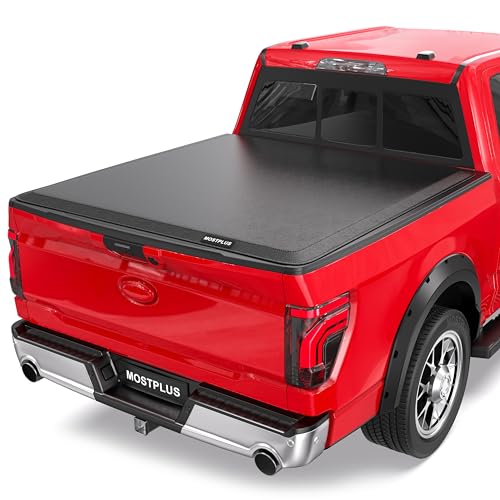
Check the Tension Control Knobs First
The tension control system is the single most common culprit when a soft roll-up tonneau cover won’t stay closed. Every North Mountain soft roll-up uses twin knobs at the rear rail to regulate how tightly the fabric pulls when you roll the cover forward.
If those knobs have been turned counter-clockwise over time—whether by accident during cargo loading or simply from vibration—the fabric goes slack. A slack cover can’t generate enough force to hold the front rail firmly against the striker plates near the cab.
Turn both knobs clockwise in quarter-turn increments, testing the latch after each adjustment. You’re looking for firm resistance when you pull the cover forward, but not so much tension that the fabric bows or the seams strain. The correct setting lets the front rail seat flat against the bed rails with no gap visible along either side.
Inspect and Realign the Striker Plates
If tension adjustments don’t solve the problem, the next step is to examine the striker plates themselves. These small metal tabs bolt to the bed rail near the cab and provide the catch point for the front rail’s latches.
Over months of use, those bolts can work loose—especially if the truck sees rough roads or frequent loading cycles. A striker plate that’s even a few millimeters out of position won’t align with the latch claw, so the cover appears to close but doesn’t actually engage.
How to Check Alignment
With the cover fully rolled forward, look at the gap between each latch claw and its striker plate. The claw should drop directly onto the plate with no lateral offset. If you see daylight between them, loosen the striker’s mounting bolts, slide the plate into correct position, and re-tighten. Use a torque wrench set to the value called out in the Federal Motor Carrier Safety Administration’s cargo securement guidelines—over-torquing can strip the bed rail threads, while under-torquing lets the plate shift again.
Address Fabric Stretch and Wear
Vinyl fabric naturally stretches over time, especially in climates with wide temperature swings. A cover that’s been in service for two or three years may have developed enough permanent elongation that even maximum tension won’t pull the front rail tight.
You’ll know fabric stretch is the issue if the tension knobs are already turned to their maximum clockwise position and the cover still feels loose. In that case, the fabric itself needs to be shortened or replaced.
Temporary vs Permanent Solutions
Some owners add an extra wrap around the rear canister to take up slack—rolling the fabric one additional revolution before latching. This works as a stopgap, but it reduces the cover’s usable bed access and stresses the canister bearings.
A better long-term fix is to contact us for a replacement fabric skin. Our North Mountain Tonneau Cover Silverado soft roll-up and other model-specific covers are designed with field-replaceable skins that install using the same rail hardware you already have. Swapping the fabric takes about twenty minutes and restores factory-fresh tension without buying an entirely new system.

Verify Latch Mechanism Condition
The latches themselves—the claws that grab the striker plates—can wear or bend if the cover is repeatedly slammed shut instead of being guided into place. A bent latch claw won’t seat fully, leaving a gap that lets wind lift the cover at speed.
Remove each latch assembly from the front rail and inspect the claw for deformation. It should be symmetrical and perpendicular to the rail. If it’s canted or shows a shiny wear spot where it contacts the striker, the latch needs replacement.
Replacement latch kits are available for every North Mountain model, and they install with the same two screws that held the original. If you’ve confirmed the strikers are aligned and the fabric has proper tension, but the cover still pops open, the latch hardware is almost certainly the remaining variable.
Restoring Secure Closure on Your Soft Roll-Up
A tonneau cover that won’t stay closed is almost never a reason to replace the entire system. By working through tension adjustment, striker alignment, and latch inspection in order, you’ll identify the specific component that’s failed and restore a weather-tight seal.
We designed every North Mountain soft roll-up with field-serviceable parts for exactly this reason—covers wear, but the underlying rails and hardware last the life of the truck. If you’ve completed these checks and the cover still won’t latch, reach out to our support team with photos of the latch and striker alignment. We can often diagnose the final variable remotely and get the right replacement part to you the same week.
Common Questions About Soft Roll-Up Closure Issues
Asymmetric closure almost always means one striker plate is out of alignment or one latch is bent. Check both strikers for equal height and distance from the cab, then compare the two latch claws for visible damage. Uneven wear on the bed rail surface can also cause one side to sit higher than the other.
Tape or Velcro strips might keep the cover from flapping, but they don’t address the underlying latch failure and they make it impossible to access the bed quickly. More importantly, adhesive residue damages the vinyl and bed rail finish. Fix the root cause instead of masking it.
Check tension every three to six months, or any time you notice the cover becoming harder or easier to roll. Seasonal temperature changes cause the fabric to expand and contract, so a setting that worked in winter may be too tight in summer.
A loose cover flapping at highway speeds can crack the vinyl, fray the stitching, and even dent the bed rails if the front rail strikes them repeatedly. Water intrusion from an unsealed cover also accelerates bed rust, especially around the stake pockets and tailgate seal.
A basic socket set and a torque wrench are sufficient for most striker adjustments. The bolts are typically 10mm or 13mm hex heads, and you’ll want to torque them to the manufacturer’s spec—usually around 15 foot-pounds—to prevent future loosening.
Latch geometry is model-specific, so aftermarket heavy-duty latches rarely fit without modification. If your current latches are functioning correctly but still feel weak, the issue is more likely fabric tension or striker alignment rather than latch strength.